
Home / Treatments / PrEP, HIV Prevention & STI Care
HIV PREVENTION & STI CARE
HIV prevention and STI testing: what care do you need?
Understand PrEP assessment, the tests to ask about, how results are handled and where urgent exposure care fits into your sexual-health plan.
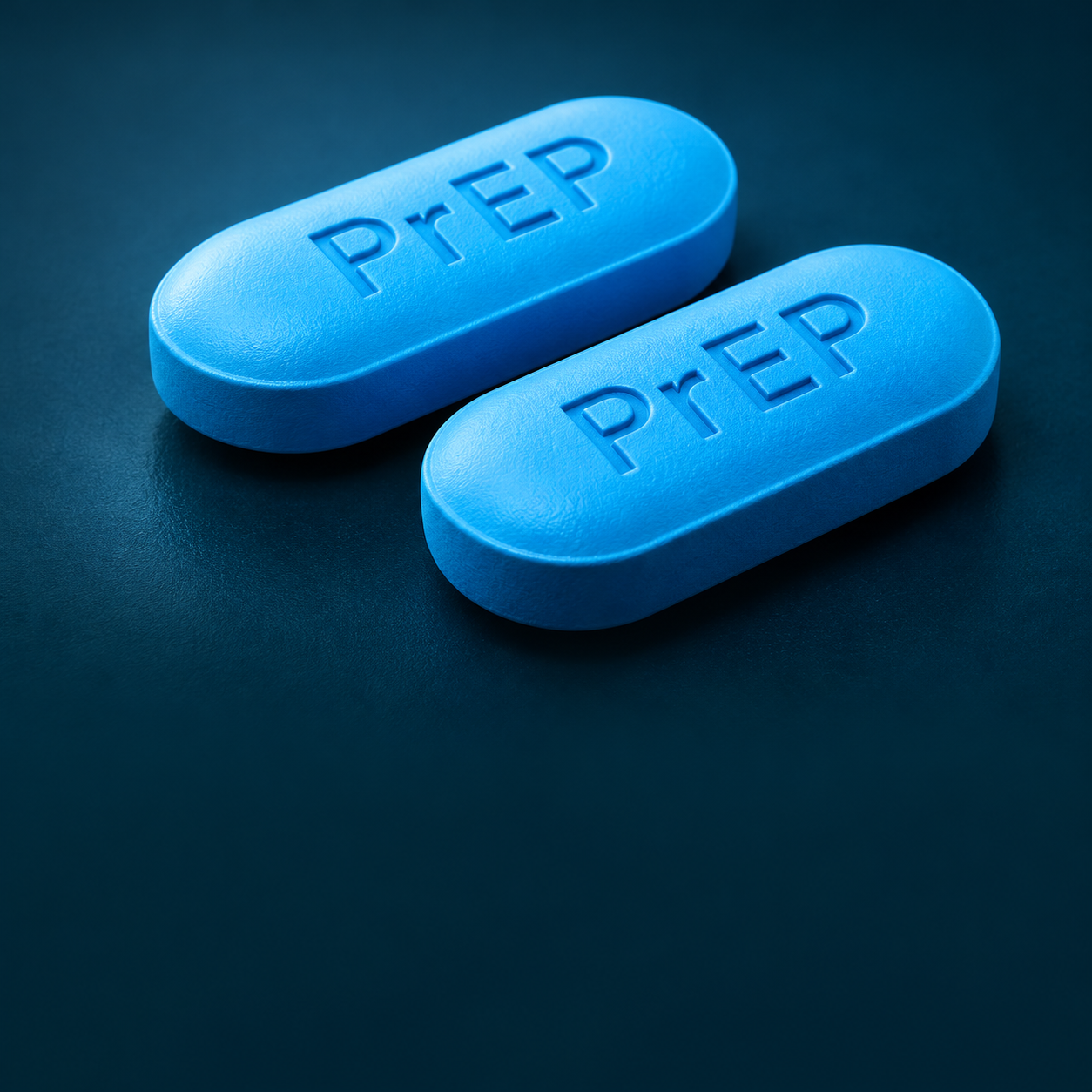
Start with the question you need answered
HIV prevention and STI care are connected, but they are not one interchangeable service. You might want to start PrEP, check your HIV status, investigate symptoms, arrange routine screening or understand a partner’s recent diagnosis. Being clear about that first question helps a clinician choose the right assessment rather than sending you through an identical testing pathway for every concern.
OnlyMenHealth brings these topics together for gay men who want direct, practical information. Your care should account for the sex you actually have and the routine you can maintain. The purpose of this page is to explain the steps and decisions involved, including the situations in which a routine online enquiry is not the right next step.
Recent possible HIV exposure needs urgent assessment
If a possible HIV exposure happened within the last 72 hours, contact an emergency department, urgent-care service or sexual-health clinic able to assess and prescribe HIV PEP. CDC recommends starting as soon as possible, ideally within 24 hours and no later than 72 hours. Do not wait for a website enquiry, waitlist email or routine delivery.
A clinician assesses what happened, when it happened and whether PEP is indicated. An initial test does not automatically rule out an infection from a very recent exposure. If more than 72 hours have passed, still seek clinical advice about testing and prevention. The right response is a medical assessment, not trying to decide your eligibility from a website alone.
Sources: CDC: Clinical guidance for PEP · CDC: Getting tested for HIV
Which service answers which question?
The table separates prevention, screening, symptoms and follow-up. More than one row may apply to you. For example, someone starting PrEP may also need STI screening, while someone with symptoms needs an assessment even if a scheduled screening appointment is already booked. Tell the clinician about both concerns so the plan addresses them together.
Sources: CDC: Clinical guidance for PrEP · CDC: STI screening for men who have sex with men · CDC: DoxyPEP clinical guidelines
| Your question | Relevant care | What to discuss |
|---|---|---|
| How can I prevent HIV? | PrEP assessment | HIV testing, medication choice, monitoring and practical routine |
| Could I have been exposed to HIV recently? | Urgent HIV PEP assessment | Timing and type of exposure; do not wait for a routine booking |
| I feel well but want screening | STI and HIV testing plan | Exposure sites, test window periods and repeat-test schedule |
| I have symptoms or a partner has an STI | Clinical assessment | Symptoms, contact dates, examination and testing or treatment |
| Would doxyPEP help me? | Individual bacterial-STI prevention discussion | Recent STI history, benefits, adverse effects and resistance |
What does a PrEP assessment cover?
PrEP is prescription medication for people without HIV who want to reduce their chance of acquiring it. An assessment includes HIV testing, relevant medical history, current medicines and a discussion of your preferences. Oral tenofovir-based options involve kidney and hepatitis B considerations; injectable options have their own schedules, interaction checks and testing requirements.
Daily tablets are not the only clinical option. Cabotegravir injections are usually given every two months after initiation, while lenacapavir is a six-monthly option with its own initiation regimen. The best fit depends on more than convenience. Ask where injections would happen, how tests are arranged, who follows up if results need attention and what your clinician recommends if your schedule changes. Read the PrEP guide for a fuller comparison.
Sources: CDC: Clinical guidance for PrEP · CDC: Lenacapavir PrEP recommendation
Why can a urine test alone miss an STI?
STI testing should consider the anatomical sites involved in sexual exposure. A urine sample can help assess urethral gonorrhea and chlamydia, but it does not replace appropriate throat or rectal testing. CDC recommends site-specific screening for men who have sex with men, including rectal testing after receptive anal exposure and pharyngeal gonorrhea testing after receptive oral exposure.
This is why questions about oral, anal and other sexual contact are clinically relevant. They should be asked respectfully, without assumptions about your identity or relationships. Some infections at these sites cause no symptoms. If you are offered a “full panel,” ask exactly which infections and sample sites it includes; the phrase itself does not guarantee a comprehensive assessment for your situation.
When should you test, and when should you repeat it?
Testing timing depends on the infection, the test used and the date of exposure. HIV tests have different window periods: a test taken too early can be negative even when infection has occurred. Your clinician may recommend an initial test and a repeat later. A result only answers the question the particular test can answer at that point in time.
CDC recommends at least annual screening for common STIs in sexually active men who have sex with men, with more frequent screening, often every three to six months, when ongoing risks or multiple partners make it appropriate. PrEP has additional regimen-specific HIV testing requirements. Ask for your next due date and clarify whether a new exposure or symptoms should bring that date forward.
Sources: CDC: Getting tested for HIV · CDC: STI screening for men who have sex with men · CDC: Clinical guidance for PrEP
What if you have symptoms or a partner tests positive?
Do not use a future routine screen as a reason to postpone assessment of symptoms or a known exposure. Tell a clinician about discharge, sores, a rash, painful urination, rectal symptoms or other changes that concern you. These findings can have different causes, and a clinician may need an examination or particular tests rather than a standard home collection kit.
If a partner tells you about a diagnosis, share the infection name, when you last had contact and any treatment details you know. You do not need to identify the partner publicly or submit private messages through the waitlist. Ask whether testing, treatment or temporary changes to sexual activity are recommended. Avoid using leftover antibiotics or someone else’s prescription while waiting for advice.
What happens after the results arrive?
Before testing, ask how you will receive results and who will explain an abnormal or unclear result. A portal notification is not always a complete care plan. Depending on the finding, further testing, treatment, an examination or a referral may be needed. A reactive HIV screening result requires the appropriate follow-up testing; it should not be interpreted in isolation.
If an STI is diagnosed, ask how treatment will be arranged, whether partners need evaluation, when sex can safely resume and whether repeat testing is recommended. If results are negative, ask whether the timing was sufficient and whether any exposure sites were not tested. Keep a copy of the results in your clinical records so future care does not depend on a vague recollection of “everything was fine.”
Sources: CDC: Getting tested for HIV · CDC: STI screening for men who have sex with men
Where does doxyPEP fit?
DoxyPEP is an additional prevention discussion for selected patients, not a replacement for PrEP or STI screening. CDC recommends counseling gay, bisexual and other men who have sex with men, and transgender women, with a bacterial STI diagnosis in the previous 12 months about its benefits and harms. A prescribing decision should be shared with a clinician.
The conversation should cover side effects, interactions, antibiotic resistance and when ongoing use should be reviewed. People prescribed doxyPEP still need screening at relevant exposure sites. It does not prevent HIV and should not be used as an improvised treatment for symptoms. Bring your recent STI history to the assessment so the decision is based on your circumstances rather than a general assumption about gay men.
Sources: CDC: DoxyPEP clinical guidelines
How do cost and privacy affect the plan?
Ask for the combined cost of assessment, sample collection, laboratory processing, medication, delivery and follow-up. Check whether an advertised amount is a medication-only price or includes clinical care. Coverage and assistance programs may reduce out-of-pocket costs, but eligibility and the service being covered need to be confirmed with the provider.
As one external example, MISTR advertises no-cost PrEP care through coverage and assistance arrangements; its free STI screening is linked to PrEP or long-term HIV care. This is not an OnlyMenHealth offer. For privacy, ask about portal notifications, delivery labels and insurance explanations of benefits. A discreet package alone does not answer every privacy question. Use our privacy and communication guide to prepare questions.
Sources: MISTR: Billing and insurance FAQs
Prepare for a useful first conversation
Bring a list of medicines and supplements, allergies, previous STI diagnoses, vaccination information and the dates of recent tests. Write down your main question first. You can also note practical barriers such as travel, work hours, transport, insurance or using a shared email account. These details help a clinician recommend a plan that is possible to follow.
Before agreeing to a service, make sure you understand the next action, the expected cost and who owns each step. Who orders tests? Who contacts you about results? Where do prescriptions come from? What happens when something needs in-person care? These questions are part of informed care, not an inconvenience. The launch waitlist is separate from clinical intake and should not receive medical information.
Frequently asked questions
Do I need STI testing if I have no symptoms?
You may. Many infections can be present without symptoms, including throat and rectal infections. Your clinician should recommend screening based on exposure sites, history and ongoing risk rather than symptoms alone.
Does a negative HIV test mean I can start PrEP immediately?
Not always. The type and timing of the test, possible recent exposure, symptoms and recent PrEP or PEP use matter. A clinician determines the appropriate testing and whether treatment can start.
Is every STI test included in a full panel?
No. Panel contents vary. Ask which infections and anatomical sites are covered, whether additional swabs or blood tests are needed, and whether the timing of your exposure requires repeat testing.
Can I use the waitlist for a medical question?
No. The waitlist is for launch updates only. Do not submit health information there. For symptoms, a known exposure or time-sensitive HIV PEP needs, use an appropriate clinical service.
Does PrEP replace condoms and other prevention?
PrEP prevents HIV but does not prevent every STI. Discuss condoms, vaccination where appropriate, regular screening and any other prevention options with your clinician.
Sources and editorial notes
Updated November 5, 2026. Educational content from the OnlyMenHealth editorial team. This page does not replace an individual assessment or imply clinical review by a named provider.
Get OnlyMenHealth launch updates
Use our single email waitlist for availability and pricing updates. For symptoms or urgent exposure concerns, contact an appropriate clinical service.