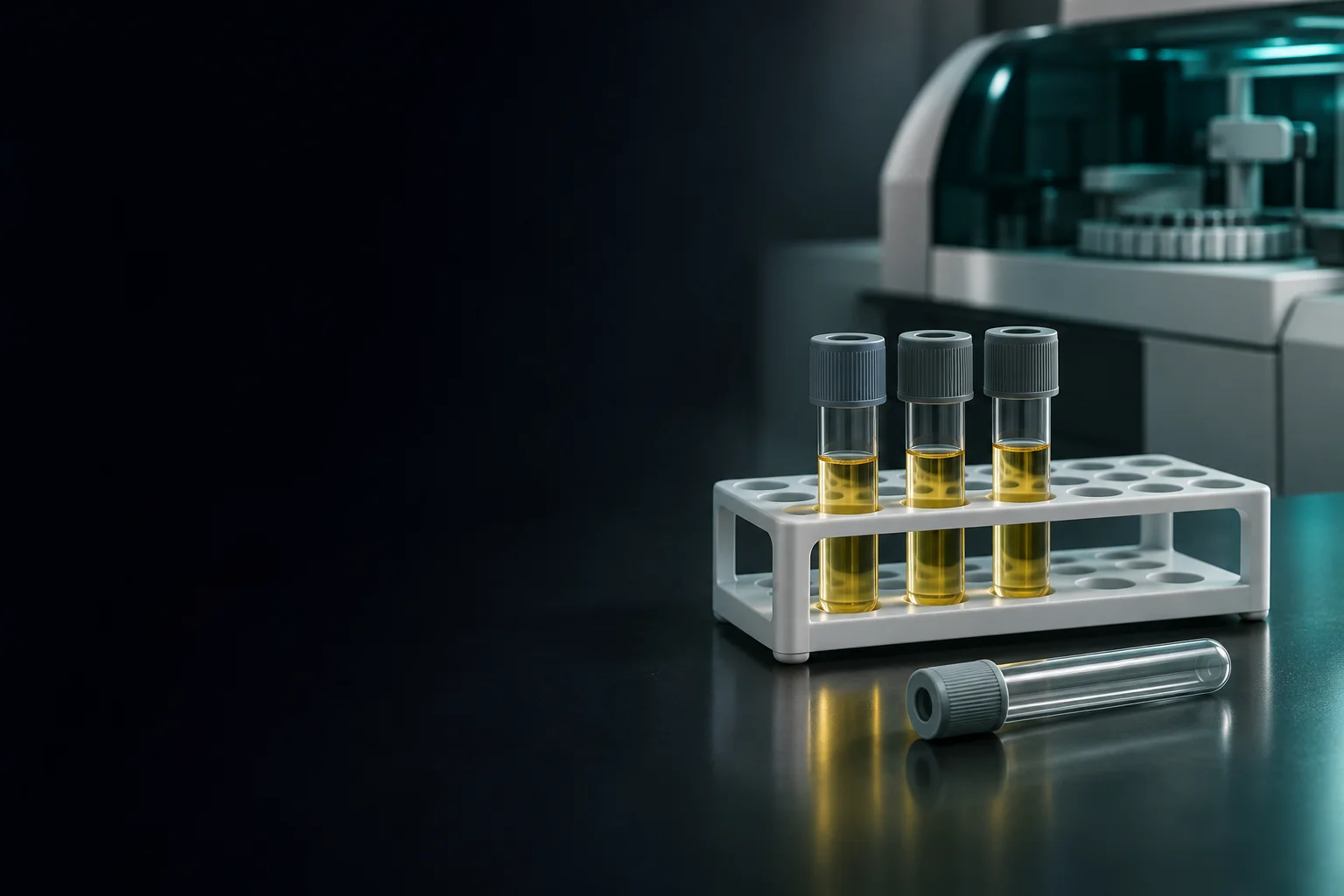
A pristine laboratory rack with three capped unlabelled specimen tubes, an unused collection tube and a softly defocused laboratory analyzer.
HIV PREVENTION

PrEP Eligibility & Monitoring

Explore how HIV testing, personal preferences and follow-up shape an individual PrEP discussion.

Explore resources →

PrEP Eligibility & Monitoring

Bring your questions

PrEP is HIV prevention for people who do not have HIV. You can ask a clinician about it even if you are unsure how to describe your exposure risk. Discuss recent exposures, previous prevention medicines and your preferences.

Testing and medication choice

HIV testing is required before starting PrEP. Depending on the medicine, assessment may also include kidney function, hepatitis B status and STI testing. Oral and injectable approaches have different clinical requirements.

Oral or injectable?

Daily oral medicines and long-acting injections are options to discuss with a qualified prescriber. An injection requires an appropriate administration setting; an online prescription alone does not provide that service.

Make follow-up part of the plan

The clinician should explain repeat HIV testing, other monitoring and what to do about missed doses, missed appointments or stopping treatment. Check confirmed service availability before choosing a provider.

Recent exposure is a different pathway

Seek urgent care immediately for a possible recent HIV exposure. HIV PEP should begin as soon as possible, ideally within 24 hours and no later than 72 hours. Do not wait for this website to offer appointments.